
Death typically signifies transformation, not literal death. It marks the end of a cycle, relationship, habit, or identity, clearing space for renewal. Upright, it invites acceptance of change already underway. Reversed, it may show resistance to necessary endings. The card asks you to trust that letting go creates room for something truer to emerge.
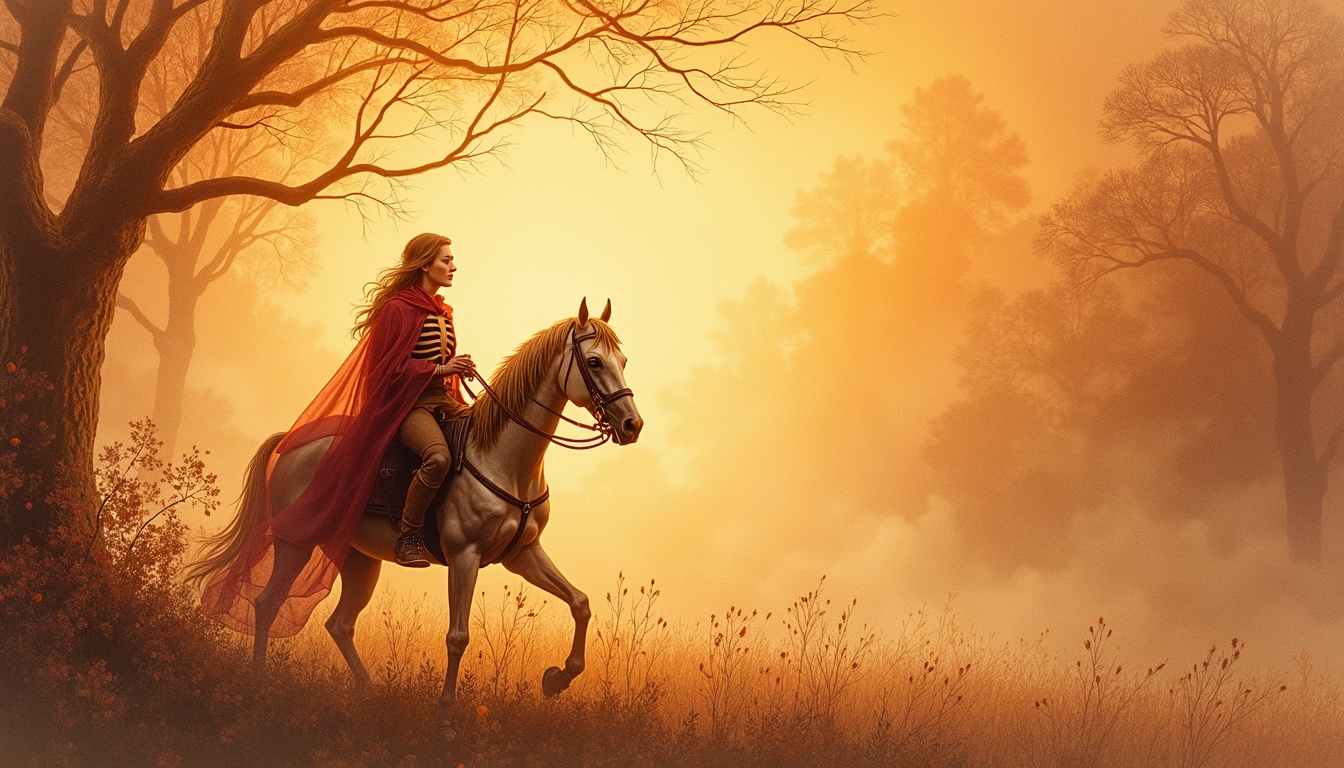
The Imagery on the Card
In most traditional decks, the Death card shows a skeletal figure riding a pale horse, moving steadily across a landscape while a fallen king, a pleading maiden, a child, and a bishop react in different ways to its approach. In the distance, the sun rises between two towers, and a river winds through the scene. This imagery is deliberately layered. The rider does not stop for anyone, wealth, youth, or piety cannot bargain with it, which speaks to the impartial nature of change itself. Yet the rising sun on the horizon is easy to miss and just as important as the skeleton in the foreground. It suggests that even as something ends, dawn is already forming behind it. The white rose on the banner the figure carries is another quiet detail, symbolizing purity of intention rather than decay. Nothing about the card, when looked at closely, is about punishment or doom. It is about the passage from one state into another, rendered honestly rather than gently.
Upright Meaning
When Death appears upright, it almost always points to transformation rather than literal mortality, a distinction worth holding onto if the image feels startling at first glance. It suggests that a phase of your life, a relationship, a job, a belief you have carried, or a version of yourself is coming to a natural close. This is not necessarily sudden. Often the ending has been unfolding slowly and the card simply names what you already sense. There is an invitation here to stop resisting the transition and instead let it complete itself. Trying to hold onto the old shape of things, out of fear or attachment, tends to prolong discomfort rather than prevent change. The card carries an undertone of trust, the sense that what comes after clearing does have value, even if it is not yet visible. People often find that once they stop fighting an ending, whether that is a friendship that has run its course or a way of thinking that no longer fits, a surprising lightness follows. Death upright asks for that kind of release, not resignation but a willingness to let the old form dissolve so a new one can take shape.
Reversed Meaning
Reversed, the Death card often reflects resistance. It can show a refusal to let go of something that has already run its course, whether that is a relationship held together out of habit, a job kept for security rather than fulfillment, or a self image that no longer matches who you have become. This resistance is deeply human. Endings can bring grief even when the thing ending was not serving you well, and it makes sense to want to delay that grief. The reversed card can also point to a slower, more internal kind of transformation, one that is happening beneath the surface without dramatic visible signs. Sometimes it suggests stagnation, a sense of being stuck between what was and what could be, unable to fully release the past or step into what comes next. It is worth asking gently what you might be holding onto out of fear rather than genuine attachment. The reversed Death card does not scold for this hesitation, it simply illuminates it, offering a chance to notice where you are bracing against a change that may already be underway whether you consent to it or not.
Death in Different Contexts
In matters of love, this card often marks the end of a particular phase of a relationship rather than the relationship itself, though it can occasionally signal that a partnership has truly reached its natural conclusion. For couples, it may mean moving from casual to committed, or shedding old relational patterns to build something more honest. For those single, it can suggest closing a chapter of loneliness or old heartbreak to make room for new connection. In career readings, Death frequently points to the end of a particular role, project, or professional identity, sometimes voluntary and sometimes not, but rarely without purpose. It can also describe the end of a mindset around work, such as tying your worth too closely to productivity. In matters of personal growth, this card is especially resonant, often appearing when someone is shedding an old belief, habit, or self concept that has become restrictive. Health related questions sometimes bring this card up too, though again rarely in a literal sense, more often pointing to the end of an unhealthy pattern or the start of a needed change in how one cares for the body. Across all these contexts, the throughline is the same, something is completing itself so that something else can begin.
Reflecting on Your Own Reading
If Death has appeared in your spread, it may be worth sitting with the question of what, specifically, feels like it is ending or asking to end. This does not have to be dramatic. Sometimes it is a quiet shift, an outdated way of relating to a parent, a friendship that has become one sided, a routine that once felt nourishing but now feels hollow. The card rarely demands immediate action, it asks instead for honesty about what has already shifted internally, even if outward circumstances have not yet caught up. Consider also what the fallen figures in the imagery might represent for you, the parts of yourself resisting, bargaining, or mourning the change. There is no need to rush the grief that can accompany even welcome endings. What the card ultimately offers is permission, permission to let something close so that the next thing has room to begin, and trust that the rising sun in the background is not decoration but promise.
If this card has found its way into your reading, consider asking yourself what you already know needs to end, even quietly, even without fanfare. Endings tend to soften once we stop bracing against them.
Questions people ask about this
What does this tarot card reading mean?
The Death card rarely points to literal endings. It speaks to transformation, the natural closing of one chapter so another can begin, and the quiet courage it takes to release what no longer serves you.
What might "Death card meaning" be reflecting?
In most traditional decks, the Death card shows a skeletal figure riding a pale horse, moving steadily across a landscape while a fallen king, a pleading maiden, a child, and a bishop react in different ways to its approach. In the distance, the sun rises between two towers, and a river winds through the scene. This imagery is deliberately layered. The rider does not stop for anyone, wealth, youth, or piety cannot bargain with it, which speaks to the impartial nature of change itself. Yet the rising sun on the horizon is easy to miss and just as important as the skeleton in the foreground. It suggests that even as something ends, dawn is already forming behind it. The white rose on the banner the figure carries is another quiet detail, symbolizing purity of intention rather than decay. Nothing about the card, when looked at closely, is about punishment or doom. It is about the passage from one state into another, rendered honestly rather than gently.
How should I sit with this reading?
If this card has found its way into your reading, consider asking yourself what you already know needs to end, even quietly, even without fanfare. Endings tend to soften once we stop bracing against them.
Was this helpful?
A quiet signal helps us tell which readings land, and which ones need more care.
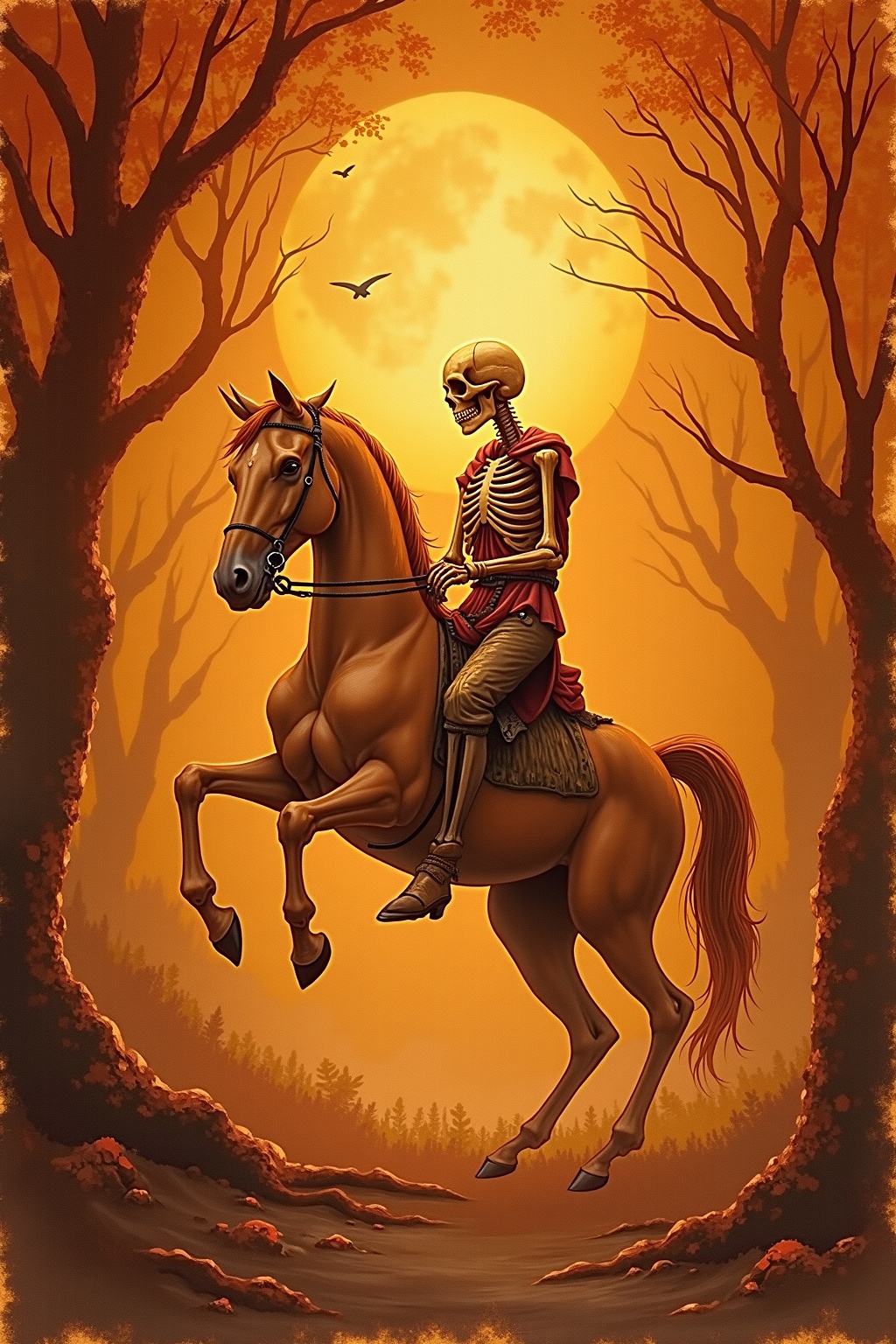
A portrait card is made for every reading, sized for Pinterest.